
5 Practical Ways to Manage ADHD Hyperactivity
Published January 8th, 2026
8 min read
Struggling with restlessness and impulsivity? These evidence-based strategies can help you find focus, build structure, and create more calm in your daily life.
Written by Simon Spichak
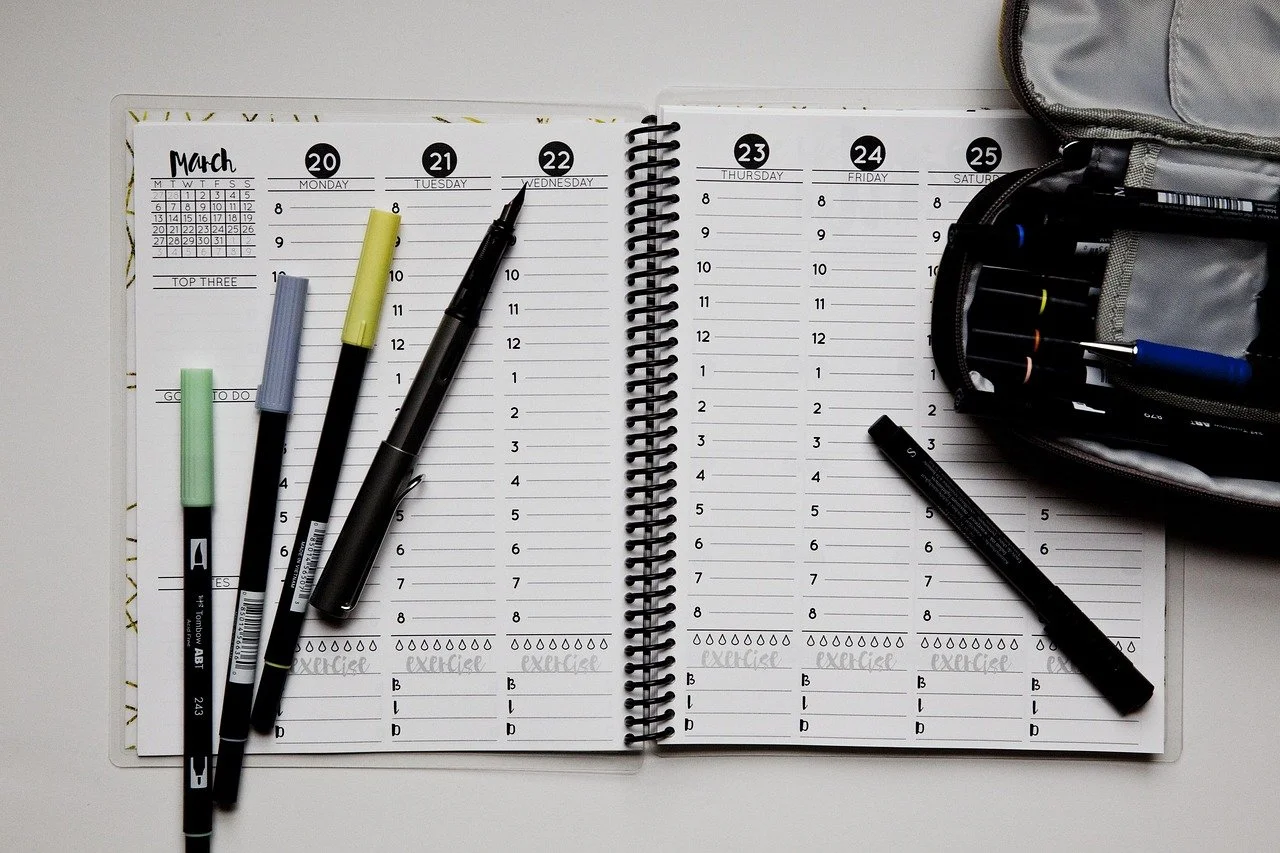
Image by Amanda Randolph from Pixabay
You’re waiting to renew your license. You shift in your seat, fidget your fingers and check your phone. It has only been five minutes but it feels like forever. You want to ask how much longer it will take, but you know you’re being impatient. You don’t want to cut in line, even though the idea pops into your head. After 15 minutes you finally get up and leave — you’ll come back another day.
For many people with the second most common form of ADHD, the hyperactive-impulsive subtype, this kind of restlessness is familiar. You might also struggle with impatience, interrupt conversations, blurt out things before thinking, and make rushed, impulsive decisions. These symptoms affect relationships, work, and simple tasks like renewing a license.
With the right tools, you can learn to channel the extra impatient energy effectively and create more focus throughout the day. These tips and strategies can help make a difference.
#1. Build Structured Routines
Creating structured routines is one of the most helpful ways to manage ADHD symptoms. A clear plan for the day reduces decision fatigue and leaves little time for your mind to wander.
Start simple. Write out what you need to do each day, breaking it down into morning, afternoon, and evening blocks. Write these down on your phone’s calendar, a planner, a whiteboard or whatever you will do consistently. Over time, the routines will become familiar patterns, reducing impulsive decisions and the stress of uncertainty.
Set reminders for small tasks too. Like “start lunch” or “finish sending emails” to add more specificity throughout the day. Nothing is too small or insignificant to add to your schedule.
#2 Use Focused Work Blocks
You might get more than 100 phone notifications throughout the day. Each time, it distracts you from work. Blocking off specific times of the day where these notifications are switched off could keep you intentional about staying on track.
The Pomodoro Technique is a great place to start. Set up a timer to work for 25 minutes, then take a 5-minute break to stretch, refill your drink, or walk around. Repeat a few times and then reward yourself with a longer break.
If motivation is a challenge, accountability could help. Tools like Focusmate can match you up with someone else for a virtual work session. Structure and gentle social pressure can keep you engaged and boost your sense of accomplishment.
#3 Practice Mindfulness
Mindfulness allows you to focus on the present moment and connect to feelings and sensations. It can help you get out of the anxiety of your own thoughts and pause between impulse, judgment, and action.
One strategy called mindful labeling involves taking a few minutes to notice what your mind and body are doing. Words like “thinking”, “anxious”, “restless” can name these sensations and create space between you and those thoughts so they feel less overwhelming.
You can also practice mindfulness through simple activities: focus on your breathing, take a quiet walk, or sit outside and observe the sounds and sensations around you. These small pauses help reset your system and calm your energy. Interspersing mindfulness throughout the day can help you stay on track.
#4 Supporting Your Body with Nutrition and Sleep
To achieve mental focus, you need to nourish your mind and body. When you skip healthy meals and skimp on sleep, your brain has a harder time regulating energy, impulses and focus.
Write out a few simple meals and snacks that you like on a whiteboard. Make sure that your fridge always has the right ingredients. Focus on healthy meals that you like like salads, wraps, chilli, or smoothies. Prepare lots of small, nutrient dense-snacks like nuts and fruit to munch on as you work for an extra energy boost.
For sleep, start winding down at least an hour before bed. Reduce screen time, dim the lights, and build a calming evening ritual. That might mean a hot shower, reading, or journaling. If you struggle with racing thoughts, gentle stretching or a brief meditation can help you ease into rest.
#5 Get Professional Support
Sometimes, even with the best strategies, staying consistent feels hard. You don’t have to do this alone. Working with a therapist who understands ADHD and executive dysfunction can help you figure out what’s blocking progress and develop practical, consistent habits that truly fit your life.
At Resolve, our therapists provide personalized, evidence-based support for people in Ontario. Sessions start from $30 with student interns and $100 with psychotherapists and social workers. Get in touch with Resolvve at info@resolvve.ca to book your first session.
FAQs
How much does ADHD therapy cost in Ontario?
At Resolvve, sessions start at $30 for student interns and $100 for licensed psychotherapists and social workers. You can book your first appointment directly through our website or email us for guidance.
Can hyperactivity improve without medication?
Yes, many people notice improvement through behavioral and lifestyle strategies. Structured routines, mindfulness, regular exercise, and restorative sleep all help regulate energy and attention. That said, for many individuals combining therapy with medication provides the best results. A clinician can help clarify what’s right for you.
What are the next steps to get started with Resolvve?
You can reach out at info@resolvve.ca to schedule a consultation or browse our therapist directory at resolvve.ca. During your first session, we’ll help you explore your goals, make sure your therapist is a right match, and create a plan that fits your everyday life.
Please note that this post is written for educational purposes; it is not therapy. If you need to talk to a professional, please book a consultation with a psychotherapist through Resolvve.
